The 7 Wildest Fossil Discoveries of 2025
PALEODEX · 10 July 2026 · 7 min read
A zombie fungus frozen mid-attack, a new branch of our own family tree, a sea monster that sat in a drawer for fifty years — and armor that shouldn't exist. The year in fossils, counted down.
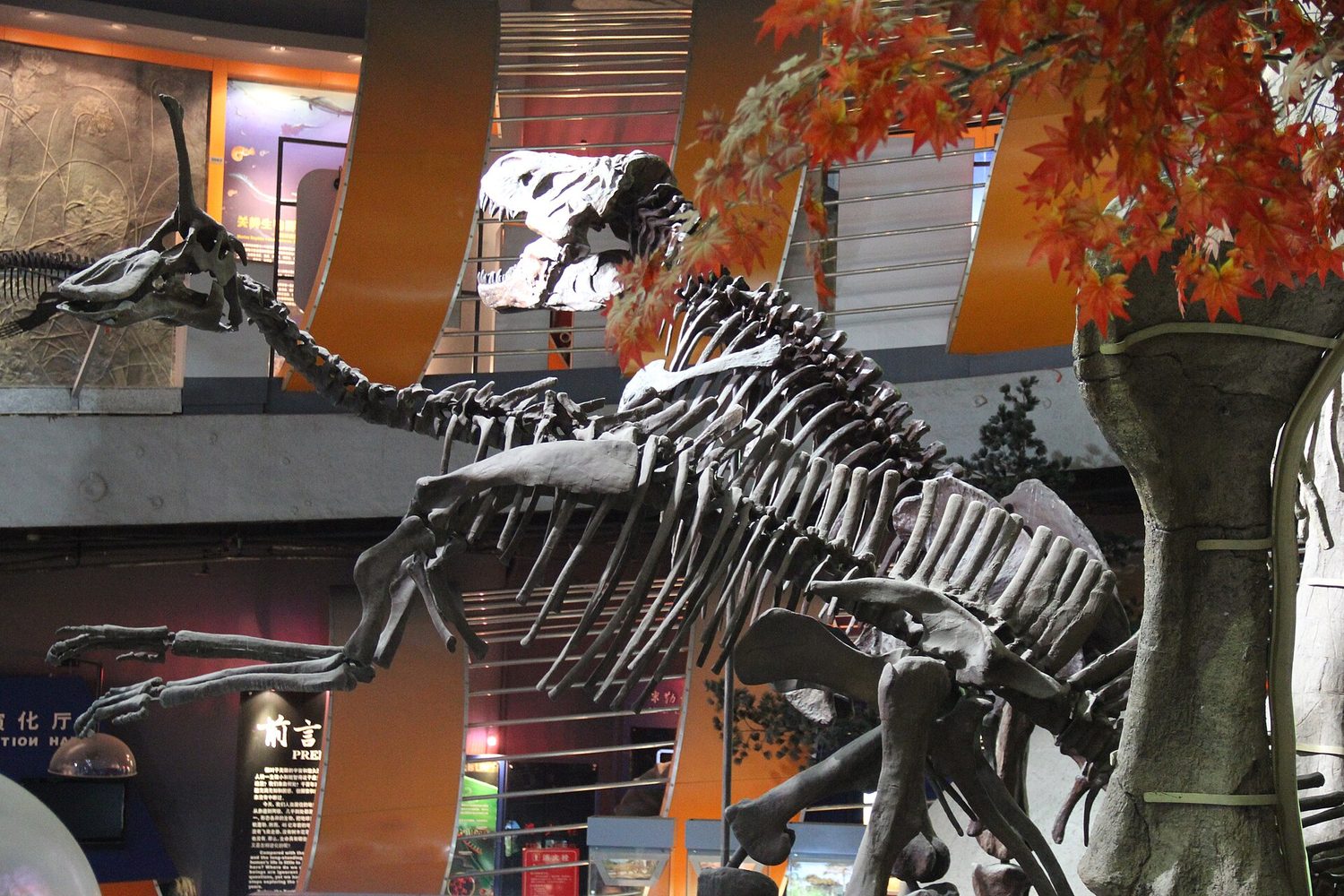
2025 was one of the busiest years paleontology has had in a long time. In dinosaurs alone, researchers formally named around 44 new species — nearly one a week. But the finds that really stopped us weren't only dinosaurs: they came from amber, from museum drawers, from the roots of our own family tree. Here are the seven discoveries from 2025 that we couldn't stop thinking about, counted down to the strangest of them all. Every one is a real, peer-reviewed fossil — no invention required.
No. 7Diplodocus had patterned skin
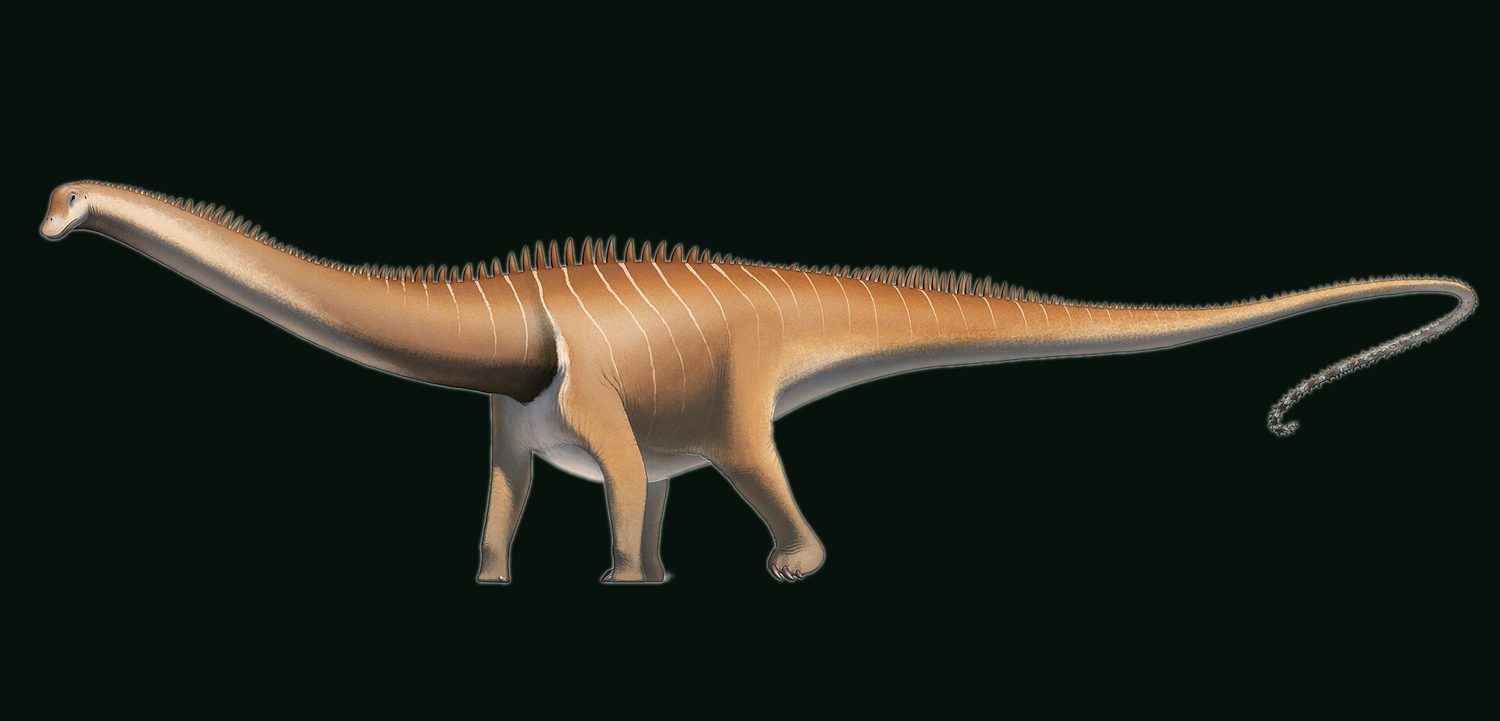
For years, reconstructing the color of a dinosaur meant working with feathered species — the microscopic pigment structures called melanosomes survive in fossil feathers and let scientists infer real hues. In 2025, a study reported preserved melanosomes in the fossilized skin of a juvenile Diplodocus-type sauropod from Montana. The takeaway: those enormous, long-necked giants weren't a uniform grey. They very likely had speckled, patterned skin.
It's a quietly huge result. It means color reconstruction isn't reserved for the feathered branch of the dinosaur family — the scaly giants can be brought back in color too. The picture of the Jurassic in your head just got a fresh coat of paint.
No. 6The sea monster in a drawer
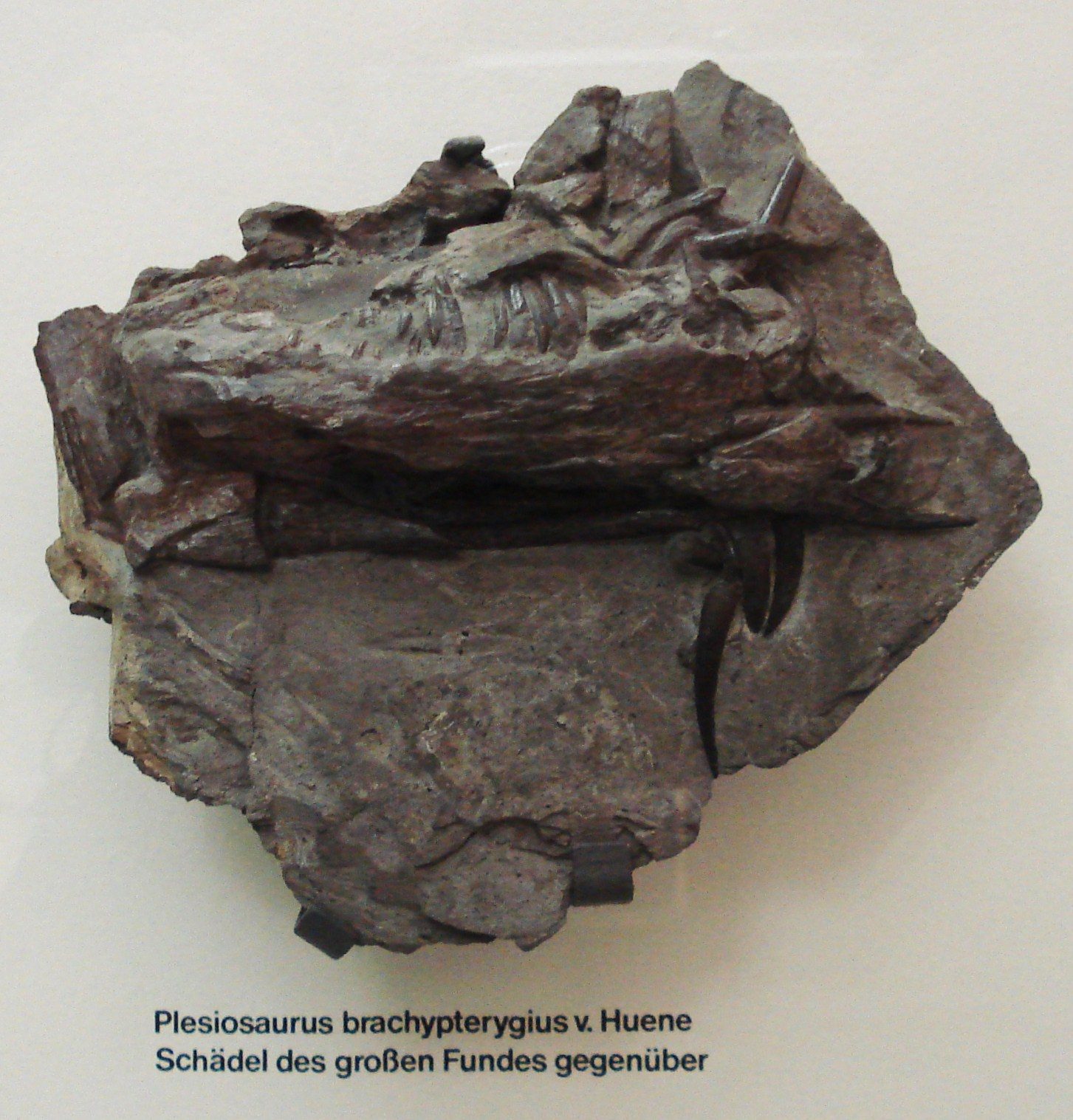
Not every discovery comes from a dig. Plesionectes longicollum, described in 2025, is a 3.2-metre, long-necked plesiosaur from the Early Jurassic (~183 million years ago) of the Posidonia Shale at Holzmaden, Germany — one of the most famous fossil sites in the world. The twist: the specimen had been collected back in 1978 and then sat, unexamined, in a museum drawer for nearly fifty years.
When researchers finally studied it — soft-tissue traces and all — it turned out to be the oldest plesiosaur ever found in those beds, and a new species to science. It's a perfect reminder that some of the biggest finds aren't buried in the ground at all. They're already in our collections, waiting for someone to look again.
No. 5A new human ancestor
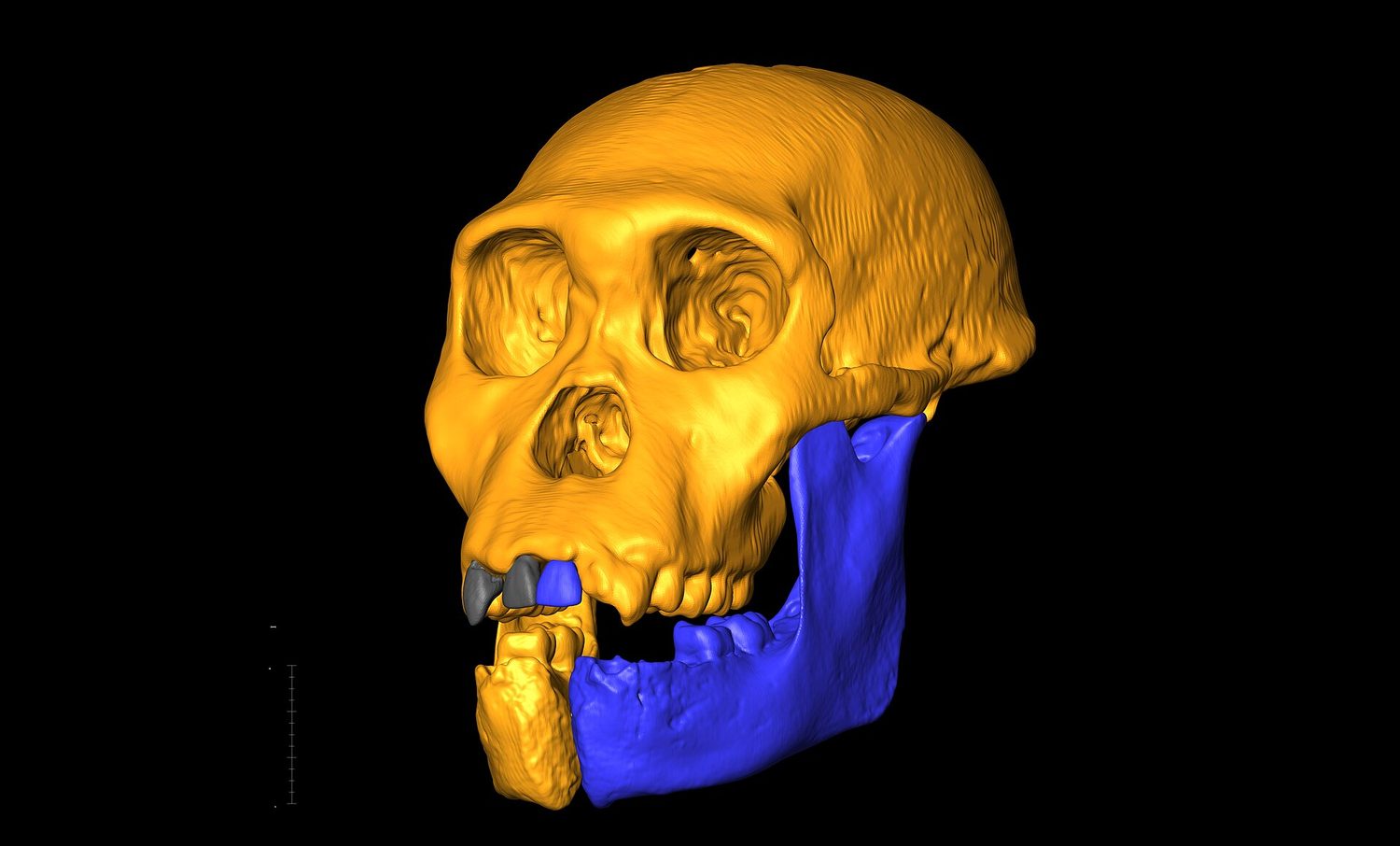
In 2025, a team working at Ledi-Geraru in Ethiopia's Afar region reported 13 fossil teeth belonging to a previously unknown species of Australopithecus — the same broad group as the famous "Lucy." What makes it land is the timing: the teeth date to roughly 2.6–2.8 million years ago, and they show this new Australopithecus shared its landscape with the earliest members of our own genus, Homo.
It's another blow to the tidy old "ladder" image of human evolution — a straight march from ape to human. The real story keeps looking more like a branching, tangled bush, with several human relatives alive at the same time, in the same place. It's exactly the kind of "the truth is messier than the poster" science we're built around — the same reason every creature in PaleoDex is a real one, blanks and all.
No. 4Nanotyrannus was never a baby T-Rex
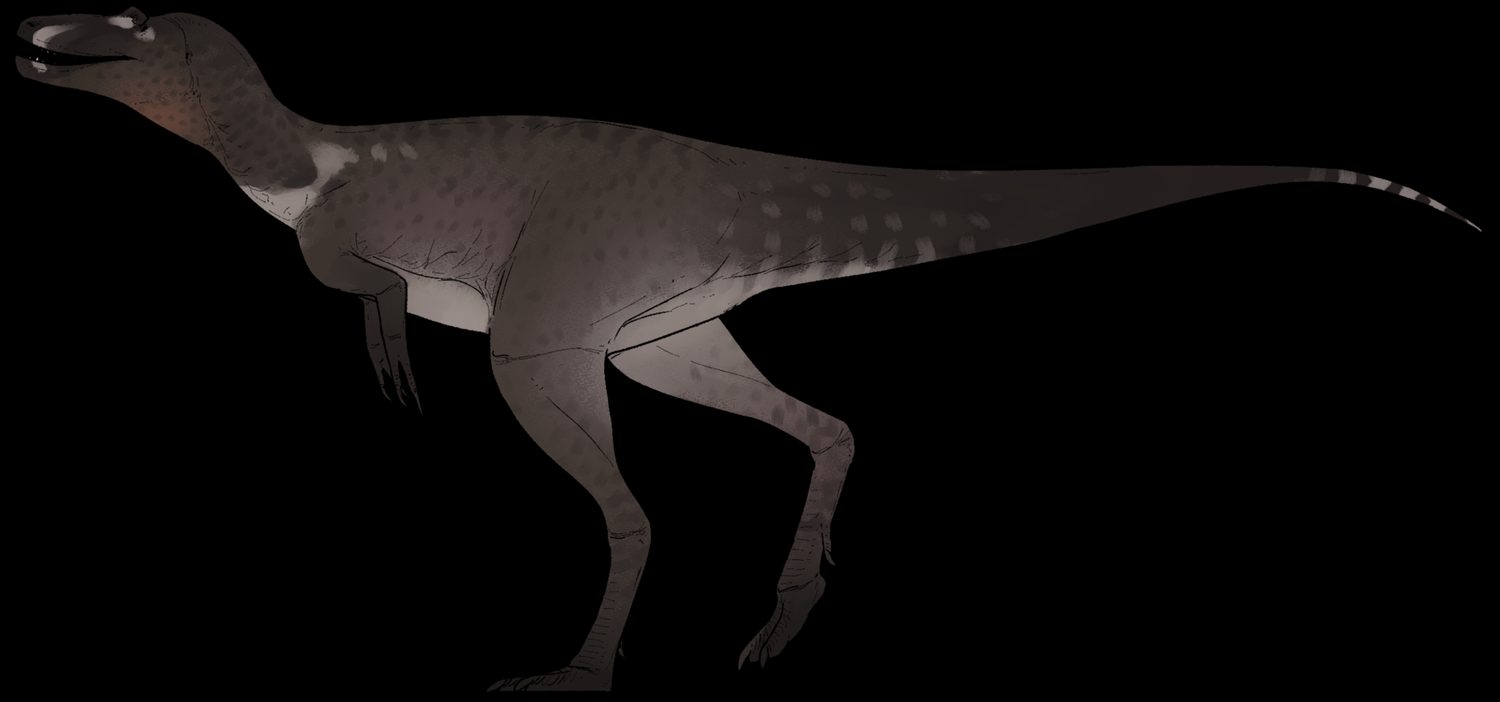
Few debates in paleontology have run this long or this hot. Was Nanotyrannus ("pygmy tyrant") a real, small tyrannosaur — or just a juvenile T-Rex that people kept mistaking for its own species? In 2025, a study analyzing the celebrated "Dueling Dinosaurs" specimen came down hard on one side: Nanotyrannus lancensis is its own distinct, adult species, not a growing Tyrannosaurus rex.
The evidence: proportionally longer arms, more teeth, and bone microstructure consistent with a mature animal rather than a juvenile. If it holds up, it means the Late Cretaceous of North America had more than one tyrannosaur stalking the floodplains — and that a fair number of fossils long filed as "juvenile T-Rex" may be due for a second opinion.
No. 3A 99-million-year-old zombie fungus
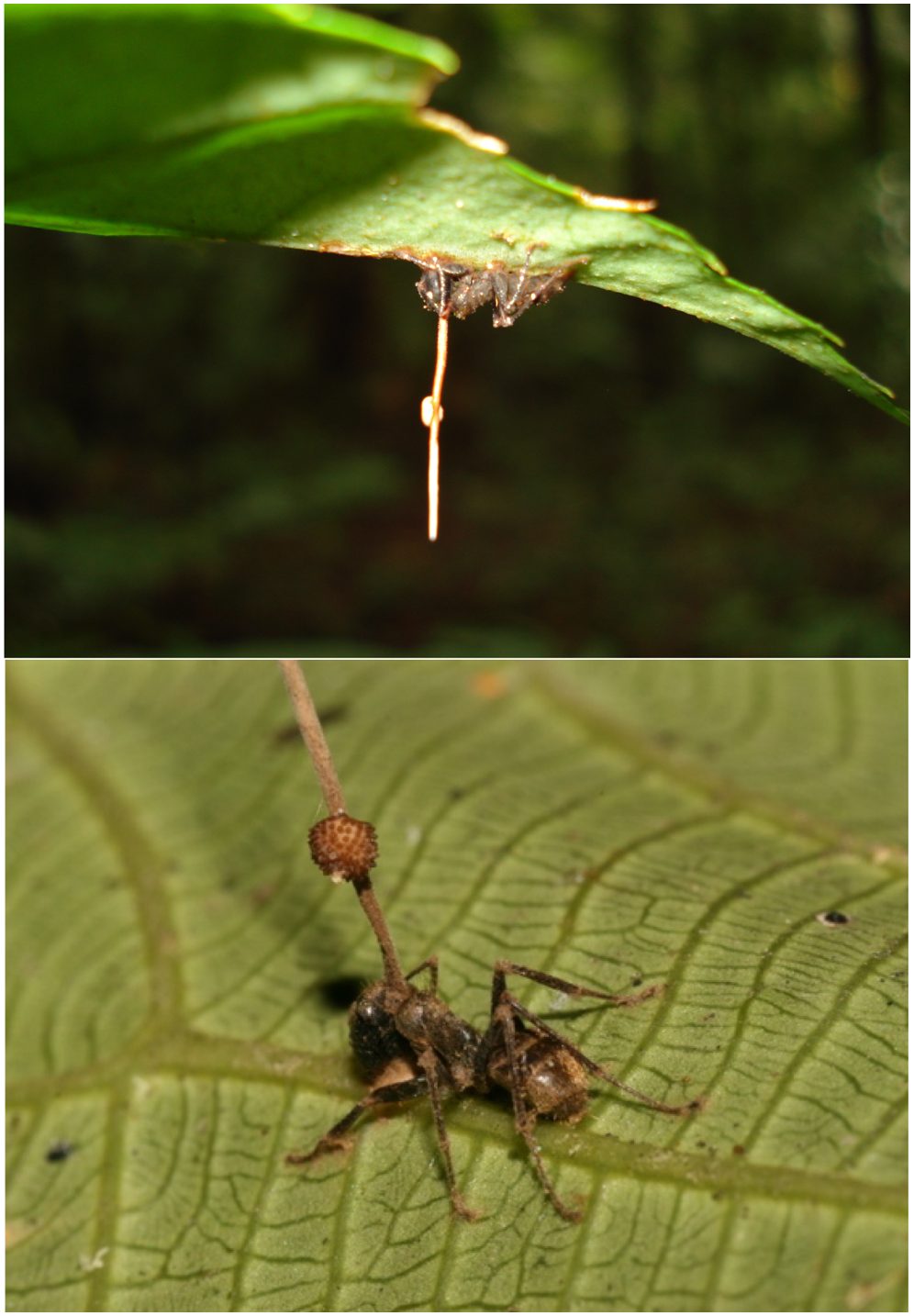
This one reads like science fiction. In amber from Myanmar, dated to about 99 million years ago, researchers found two insects — an ant pupa and a fly — each with a parasitic fungus erupting from its body, frozen at the exact moment the fungus was fruiting. The team named them Paleoophiocordyceps gerontoformicae and P. ironomyiae: ancient relatives of the "zombie-ant" Ophiocordyceps fungi alive today, the same group that inspired the infection in The Last of Us.
Led by researchers at Yunnan University and the Nanjing Institute of Geology and Palaeontology and published through the Royal Society, the find pushes the origin of these mind-hijacking fungi back into the age of the dinosaurs. Real-life horror, preserved in golden resin for a hundred million years.
No. 2The Dragon Prince
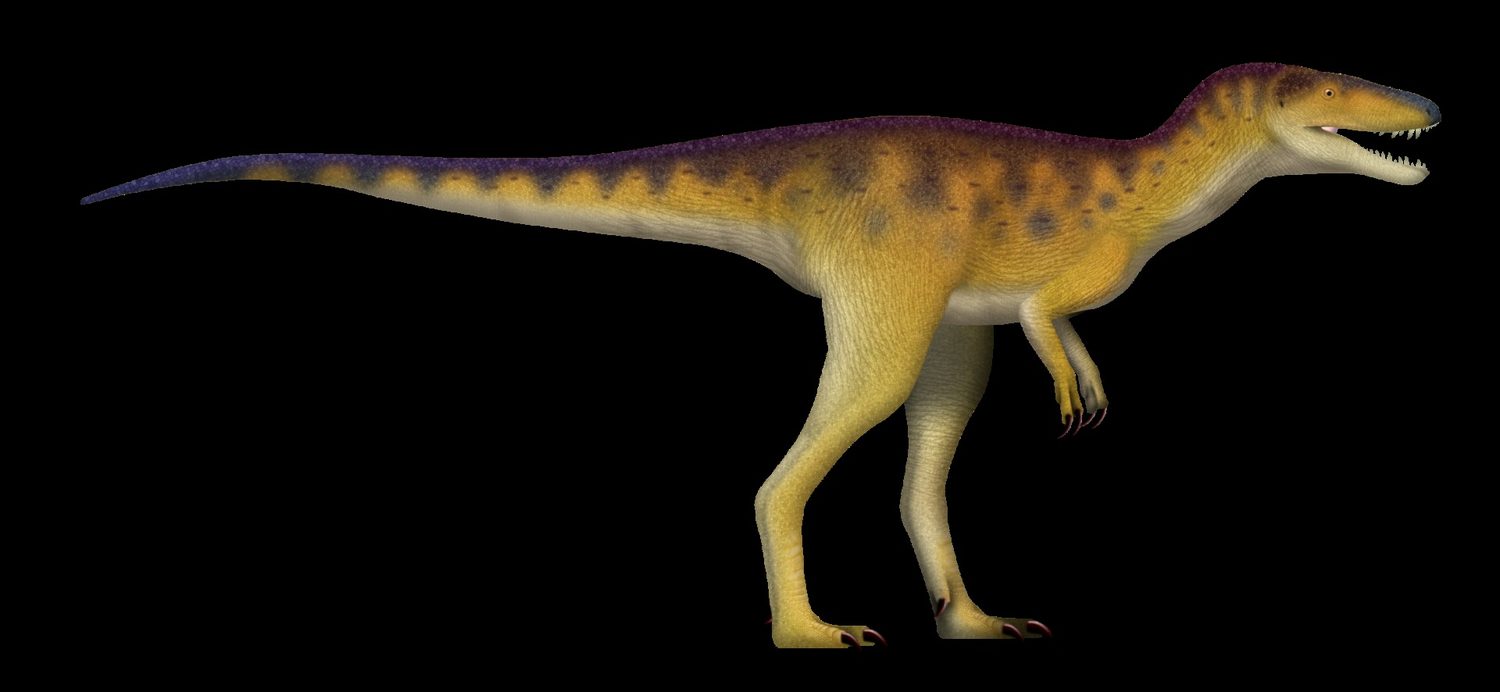
Meet Khankhuuluu mongoliensis — a name that translates to "dragon prince." Described in 2025, this slender, roughly 750-kilogram predator from Mongolia (~86 million years ago) is a kind of missing link in the tyrannosaur story: an early tyrannosauroid that helps explain how the lineage climbed from modest, fleet-footed hunters to titans like T-Rex.
It also sharpens our picture of how tyrannosaurs crossed back and forth between Asia and North America over ancient land bridges, seeding the dynasties on both continents. Before the tyrant kings, in other words, there was a prince.
No. 1Spicomellus, the armor that shouldn't exist
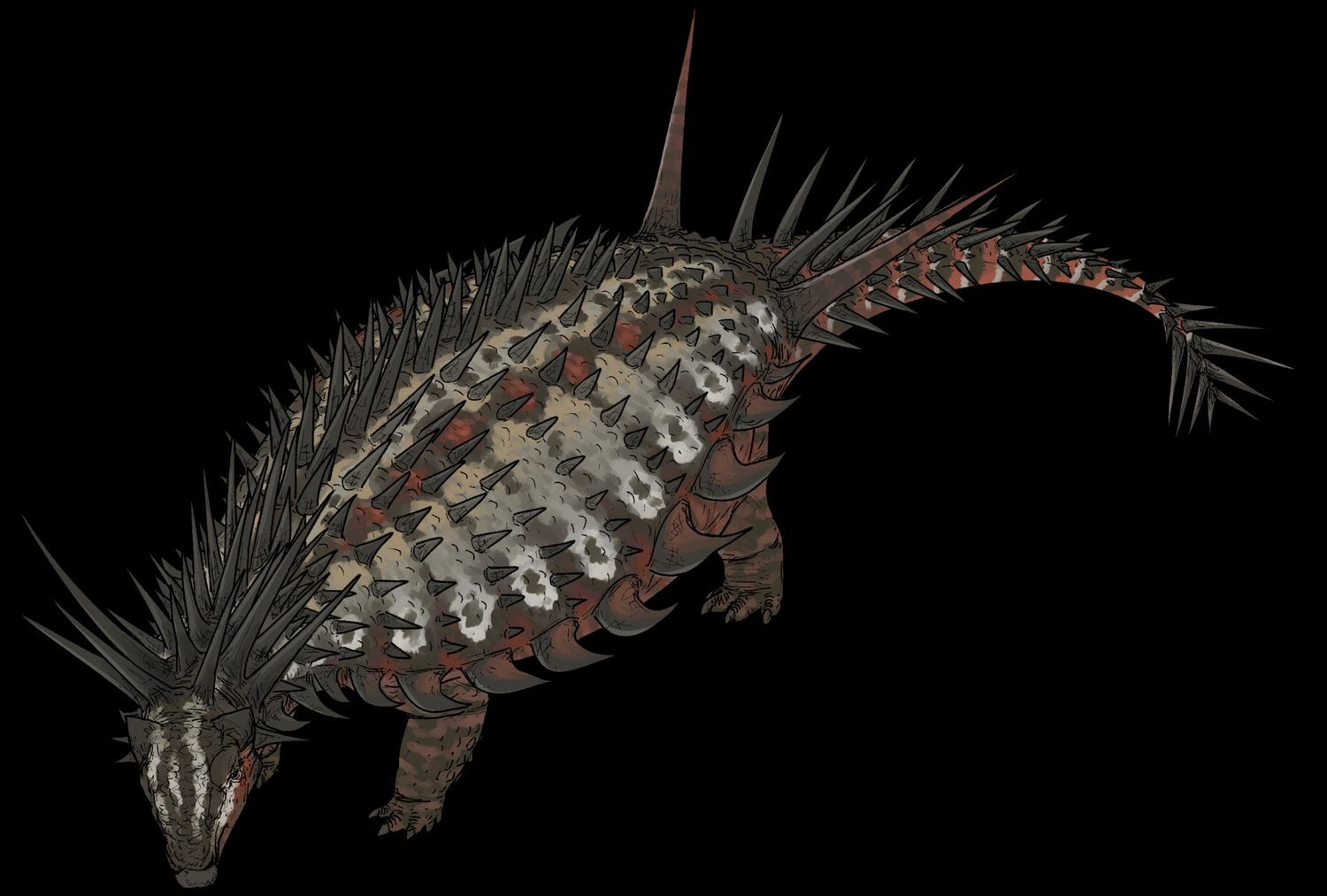
And the wildest of the year: Spicomellus afer. Described in 2025 from Morocco, it is the oldest known ankylosaur — and it is bristling with weaponry. It carried a collar of spikes up to a metre long fused directly to its neck bones, more spikes running down its body, and a tail that appears to have ended in a weapon of its own. No armored dinosaur, before or since, looks quite like it.
Here's the shock: Spicomellus lived in the Middle Jurassic, around 165 million years ago — tens of millions of years before armor this extreme was "supposed" to evolve. It rewrites both how, and how early, dinosaurs turned themselves into walking fortresses. If 2025 had a mascot, it's this one.
Why these belong in PaleoDex
What ties these seven together is the same thing: every one is a real, documented fossil, published in a peer-reviewed venue, tied to a specimen you could in principle go and see. That's the entire idea behind PaleoDex: the real record, not a made-up bestiary. Browse the catalogue in the Fossil Library, watch the continents these creatures lived on drift across eras on the Continental Drift map, and check where every fact comes from.
So — which one is your favorite? And next time someone hands you a "dinosaur fact," ask the best question in all of paleontology: what's the source? Here's to whatever 2026 digs up.
Sources
Every discovery here is a real 2025 announcement. Coverage and roundups below.
- The Top Ten Dinosaur Discoveries of 2025 — Smithsonian Magazine
- Top Dinosaur Discoveries of 2025 (Spicomellus, Khankhuuluu) — Discover Magazine
- Plesionectes: a Jurassic plesiosaur rediscovered in a museum drawer — ScienceDaily
- A new Australopithecus at Ledi-Geraru, Ethiopia — Arizona State University
- 99-million-year-old "zombie fungus" in amber — CNN
- Paleoophiocordyceps: two parasitic fungi in Cretaceous amber — Sci.News
The real record, in your pocket.
PaleoDex catalogues the actual fossil record — every creature real, every fact sourced. Get the app.
GET IT ON GOOGLE PLAY →